Why a Metal Roofing Company San Diego, CA Recommends Standing Seam Metal Roofing

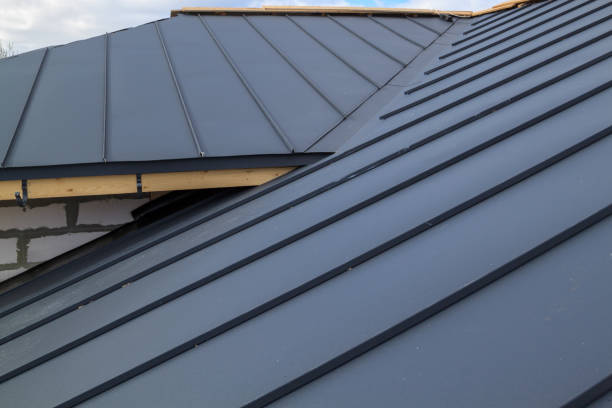
close up view of  house under construction with grey folding roof on waterproofing layer stock photo

Standing seam metal roofing is one of the most sought-after roofing systems in modern construction, offering a combination of durability, aesthetics, and functionality. Its unique design—characterized by raised seams that run vertically along the roof’s surface—sets it apart from other types of metal roofing. Let’s explore what makes standing seam metal roofs so popular.

Key Features of Standing Seam Metal Roofing

  1. The distinct vertical panels are connected by raised seams, which interlock to provide a sleek, continuous appearance.
  2. These seams not only enhance the roof’s aesthetic appeal but also serve as protection against water infiltration.
  3. Unlike traditional roofing methods where fasteners are exposed, standing seam systems use concealed fasteners for a clean look and added durability.
  4. Hidden fasteners reduce the risk of leaks and minimize wear caused by weather conditions.
  5. Standing seam panels can be made from various metals such as aluminum, steel, zinc, or copper. Each material offers unique benefits in terms of style and longevity.

Benefits of Standing Seam Metal Roofing

  • Durability: Known for its long lifespan (50+ years with proper care), standing seam roofs withstand harsh elements like rain, snow, hail, and strong winds better than many traditional materials like asphalt shingles.
  • Energy Efficiency: Reflective coatings or “cool roof” options help reduce heat absorption during summer months, lowering energy costs for cooling your home.
  • Low Maintenance: Thanks to its durable design and superior materials, maintenance requirements are minimal compared to shingle-based alternatives.
  • Weather Resistance: The interlocking seams create a watertight barrier that protects your home from leaks during heavy rainfall or snow melts.
  • Modern Aesthetic: Its sleek design complements contemporary architecture while also blending well with traditional styles.

Applications for Different Building Types

Building Type How Standing Seam Fits In
Residential Homes Enhances curb appeal with modern aesthetics
Commercial Buildings Offers durability under high-stress environments
Agricultural Sheds Provides long-lasting protection against weather

Why Homeowners Choose Standing Seam Roofing

  1. Longevity Over Cost: While the upfront cost may be higher than other roofing options (e.g., asphalt shingles), its extended lifespan offsets this investment over time.
  2. Environmentally Friendly Option: Many standing seam systems use recyclable materials or can be recycled at the end of their lifecycle.
  3. Adaptability to Solar Panels: The raised seams make it easier to install solar panels without drilling holes into the roof surface—perfect for those looking to incorporate sustainable energy solutions.

Standing seam metal roofing stands out not just for its performance but also for its ability to meet diverse aesthetic preferences and functional needs. Whether you’re renovating your home or designing a new building project, this type of roofing provides an excellent balance between style and substance.

San Diego Metal Roofing: Benefits, Features, and What Makes It Stand Out

Zinc metal roofing has gained significant popularity in the construction industry due to its unique combination of durability, aesthetic appeal, and environmental benefits. As a versatile material that suits various architectural styles, zinc roofing offers a range of advantages that make it stand out from other roof types. Below, we explore its benefits and features in detail.

Top Benefits of Hiring a Metal Roofing Contractor San Diego for Zinc Roofing

  1. Zinc is known for its long lifespan, often exceeding 50 to 100 years with proper maintenance.
  2. Its natural self-healing abilities allow minor scratches or imperfections to repair themselves over time through patination.
  3. Resistant to corrosion and weathering, zinc performs well under harsh climatic conditions such as heavy rain or snow.
  4. Zinc is a highly sustainable option due to its recyclability. At the end of its life cycle, zinc can be fully repurposed without loss of quality.
  5. The energy required for zinc production is significantly lower compared to other roofing materials. This results in a reduced carbon footprint during manufacturing.
  6. Its longevity decreases the need for frequent replacements, further reducing waste and environmental impact.
  7. Once installed, zinc roofs require minimal upkeep because of their natural protective layer (patina), which prevents rust and discoloration.
  8. Unlike some other materials that require regular cleaning or painting, zinc retains its aesthetic value with little effort.
  9. Zinc roofs add a sleek and modern look but can also complement traditional designs due to their versatility.
  10. Available in various finishes and colors (including matte gray or pre-weathered options), they suit both residential and commercial applications.

Key Features of Hiring a Metal Roofer in San Diego

Feature Description
Material Composition Made primarily from natural zinc ore combined with trace elements like titanium or copper for added strength.
Patination Process Forms a protective layer over time that guards against corrosion and UV damage while enhancing visual appeal.
Lightweight Design Easier to install than heavier materials like tile or slate while placing less strain on building structures.
Flexibility Can be molded into complex shapes or curved forms for unique architectural designs.

Why a San Diego Standing Seam Metal Roof is a Superior Choice

  • Cost vs Longevity: Though initially more expensive than asphalt shingles or some other options, zinc provides better value over time due to its durability and minimal maintenance requirements.
  • Self-Healing Ability: This unique property makes it an excellent choice for homeowners looking for an attractive yet practical roofing material resistant to wear-and-tear.
  • Architectural Compatibility: Whether you’re constructing a modern minimalist home or restoring a historic building, zinc delivers both functionality and beauty.

Common Applications of Zinc Metal Roofing

  1. Residential homes seeking long-term performance paired with contemporary aesthetics.
  2. Commercial buildings requiring durable yet sustainable solutions that align with eco-friendly certifications like LEED.
  3. Architectural projects involving intricate designs where flexibility in material shaping is crucial.

Zinc metal roofing continues to be an appealing choice for property owners who prioritize sustainability without compromising on style or structural integrity. Its ability to balance functionality with elegance ensures it remains one of the top contenders among premium roofing materials available today.

Close up of roof with sky. stock photo

Oxford Slate Metal Roofing Shingles: A Timeless and Durable Choice for Your Home

Oxford Slate metal roofing shingles are becoming a favored option among homeowners who value durability, aesthetics, and long-term performance. Designed to replicate the appearance of traditional slate roofing, these metal shingles offer an elegant solution that combines classic charm with advanced engineering. Below, we explore the key features and benefits of Oxford Slate metal roofing shingles and why they might be the right choice for your home.

Benefits of Oxford Slate Metal Roofing Shingles

  1. Longevity: Metal shingles like Oxford Slate can last 40-70 years or more, far outlasting traditional asphalt shingles that typically require replacement every 20 years.
  2. Resistance to Elements: These shingles are resistant to harsh weather conditions such as hail, wind, rain, and even fire. Unlike natural slate, they won’t crack or break under pressure.
  3. Traditional slate roofing is known for its significant weight, often requiring additional structural support for installation. In contrast, Oxford Slate metal shingles are lightweight yet sturdy—making them easier to install without compromising structural integrity.
  4. Many homeowners are drawn to the energy-saving features of these metal shingles. They reflect heat from the sun rather than absorbing it, which helps regulate indoor temperatures during hot summers and reduces cooling costs.
  5. Unlike traditional slate that may require frequent care or repairs due to its brittle nature, metal versions demand minimal maintenance over their lifespan.
  6. Made from recyclable materials, Oxford Slate metal roofing shingles are an environmentally conscious choice that minimizes waste compared to other types of roofing materials.

Features That Make It Stand Out

Feature Details
Material Composition High-grade aluminum or steel with advanced coatings for enhanced performance
Aesthetic Appeal Mimics the rich texture and dimensional look of genuine slate
Color Options Available in a variety of colors and finishes to suit diverse preferences
Weather Resistance Engineered to withstand extreme weather conditions

Why Choose Oxford Slate Metal Roofing Shingles?

  1. Timeless Elegance: The authentic look of slate adds sophistication and value to any home style—whether it’s a colonial design or a modern architectural structure.
  2. Cost Savings Over Time: While initial installation costs may be higher than some other materials like asphalt shingles, you save significantly in the long run due to reduced maintenance needs and energy efficiency.
  3. Versatility Across Roof Shapes: Thanks to their modular design, they are suitable for nearly all roof types—whether flat or steeply pitched.
  4. Warranty Coverage Options: Many manufacturers offer extended warranties on Oxford Slate products due to their robust construction standards.

Installation Considerations

When considering Oxford Slate metal roofing shingles for your home: – Consult with a professional roofer experienced in metal installations. – Ensure proper underlayment is installed beneath the shingles to enhance waterproofing. – Confirm that your chosen product meets local building codes and environmental regulations.

Homeowners seeking a balance between tradition and modern performance often find Oxford Slate metal roofing shingles an ideal choice—offering lasting durability without sacrificing beauty or functionality.

Rustic Shake Metal Shingles: Bringing Traditional Charm with Modern Durability

Rustic shake metal shingles are a premium choice for homeowners seeking the aesthetic appeal of traditional wood shakes combined with the performance and longevity of metal roofing. These shingles provide a beautiful, natural look that suits a range of architectural styles, all while offering exceptional durability and sustainability. Below, we explore the key features, advantages, and considerations of rustic shake metal shingles.

Key Features of Rustic Shake Metal Shingles

  • Wood-Like Appearance: Rustic shake shingles are designed to mimic the texture and appearance of natural wood shakes but are crafted from durable metal. This creates a timeless, rustic charm that enhances your home’s curb appeal.
  • Variety of Finishes and Colors: Available in finishes that replicate aged or weathered wood as well as contemporary color options for modern aesthetics.
  • High-Quality Materials: Typically made from steel or aluminum to ensure long-term durability while resisting warping, cracking, or splitting.
  • Lightweight Design: Unlike heavy wooden shakes or tile roofing materials, these metal shingles are lightweight, making them suitable for most roofing structures without requiring reinforcement.

Benefits of Choosing Rustic Shake Metal Shingles

  1. Resistant to common issues such as rot, insect damage, and mold growth that affect traditional wooden shakes.
  2. Capable of withstanding extreme weather conditions like high winds (up to 120 mph), heavy snow loads, hail impacts, and even fire (Class A fire rating).
  3. Unlike real wood shakes that require regular staining or sealing to maintain their appearance and structural integrity, rustic shake metal shingles require little upkeep beyond occasional cleaning if necessary.
  4. Made from recyclable materials such as aluminum or steel with minimal waste during manufacturing.
  5. Energy-efficient coatings reflect sunlight to reduce cooling costs during summer months.
  6. Offering an impressive lifespan of 40–70 years when properly installed and maintained—far outlasting traditional asphalt shingles and even real wood shakes.

Comparing Rustic Shake Metal Shingles vs Traditional Wood Shakes

Feature Rustic Shake Metal Shingles Traditional Wood Shakes
Durability Resistant to rot, pests & fire Prone to rot & insect damage
Lifespan 40–70 years 15–30 years
Maintenance Needs Minimal High (regular staining/sealing)
Environmental Impact Recyclable Uses natural resources
Weight on Roof Structure Lightweight Heavy

Why Choose Rustic Shake Metal Shingles?

Homeowners who want a roofing solution that seamlessly combines aesthetics with robust performance will find rustic shake metal shingles an excellent choice. They deliver the authentic charm of traditional wooden shakes without compromising on durability or sustainability. Additionally, their ability to increase home value through enhanced visual appeal makes them an attractive investment for long-term property owners.

Whether you’re aiming for a cozy cottage vibe or adding character to a modern home design, rustic shake metal shingles provide versatility in both style and functionality—making them one of the most reliable choices in today’s roofing market.

Metal standing seam roof on a residential home stock photo

Copper Roofing: The Ultimate Blend of Elegance and Longevity

Copper roofing has long been regarded as a premium roofing material that combines timeless elegance with exceptional durability. Its unique characteristics make it one of the most sought-after choices for homeowners and architects looking to add both beauty and functionality to their properties. Below, we explore why copper roofing continues to stand out in the world of roofing materials.

Key Benefits of Copper Roofing

  • Copper develops a natural patina over time, transitioning from its initial shiny, reddish-gold appearance to a weathered green or blue hue. This aging process enhances its character and charm.
  • Its unique color palette complements a wide variety of architectural styles, from traditional homes to modern structures.
  • Copper is highly resistant to corrosion and can withstand extreme weather conditions such as heavy rain, snow, and wind.
  • It has an impressive lifespan, often lasting 50-100 years or more with proper maintenance.
  • Unlike some other materials, copper roofs require minimal maintenance due to their natural resistance to rust, algae growth, and mold.
  • Copper is fully recyclable at the end of its lifespan, making it an eco-friendly option for sustainability-conscious homeowners.
  • Its longevity reduces the need for frequent replacements, minimizing waste generation.

Features That Make Copper Unique

Feature Description
Lightweight Material Copper is relatively lightweight compared to other roofing materials like slate or concrete tiles. This reduces structural strain on buildings.
Thermal Efficiency Acts as an excellent conductor of heat, helping regulate indoor temperatures when paired with proper insulation systems.
Pest Resistance Naturally repels insects and animals that can damage traditional roofing materials like wood shakes or asphalt shingles.

Applications of Copper Roofing

  • Residential Homes: Ideal for those seeking an upscale look combined with long-term value.
  • Historic Buildings: Frequently used in restoring historic structures due to its classic aesthetic.
  • Architectural Accents: Often employed for features like cupolas, domes, gutters, or flashing where design meets functionality.
  • Commercial Buildings: Adds sophistication while offering durability for high-profile projects.

Considerations When Choosing Copper Roofing

  1. Copper is one of the most expensive metal roofing options upfront.
  2. However, the long-term value often outweighs higher installation costs due to its longevity.
  3. While many appreciate the aged patina look over time, others may prefer its shiny appearance. Patina can be slowed or prevented through sealants if desired.
  4. Installing copper roofs requires skilled professionals familiar with this material due to its unique properties such as malleability.

Why Choose Copper Roofing?

For those who prioritize a blend of elegance and performance in their roof choice, copper stands out as a premier option worth investing in. Its unparalleled durability ensures decades—if not centuries—of service life while adding architectural distinction that elevates any property’s aesthetic value.


The Complete Homeowner’s Guide to Choosing a Metal Roofing Company San Diego, CA

Metal falcite roofing on an old house in daylight. stock photo

Metal roofing has gained immense popularity among homeowners in recent years due to its durability, energy efficiency, and aesthetic appeal. If you’re considering upgrading your roof or building a new home, understanding the fundamentals of metal roofing can help you make an informed decision. This guide provides a comprehensive overview of metal roofing and why it might be the right choice for your home.

What is Metal Roofing?

Metal roofing is a type of roofing system made of metal pieces or tiles, known for its high resistance to harsh weather conditions and long lifespan.

  • Steel:Often galvanized or coated with a zinc layer to prevent rusting.
  • Aluminum:Lightweight and naturally resistant to corrosion, making it ideal for coastal areas.
  • Copper:Offers unmatched longevity and develops a unique patina over time.
  • Zinc:Known for its self-healing properties and eco-friendliness.

Advantages of Metal Roofing

One of the key reasons homeowners choose metal roofs is their range of benefits compared to traditional options like asphalt shingles or wood.

  1. Can last 40-70 years depending on the material.
  2. Resistant to cracking, shrinking, and warping.
  3. Can withstand extreme weather such as heavy rain, high winds, hailstorms, and even fire.
  4. Can reduce cooling costs by 10-25% during hot seasons.
  5. Often paired with energy-efficient coatings or finishes for better thermal performance.
  6. Requires minimal upkeep compared to other roofing systems.
  7. Occasional cleaning and inspections help maintain its longevity.
  8. Many metal roofs are made from recycled materials (up to 95% in some cases).
  9. Fully recyclable at the end of their service life.
  10. Available in a variety of colors, styles, and finishes.
  11. Can mimic textures like wood shakes or slate while offering superior performance.

Potential Downsides (and How They’re Managed)

  • Higher Initial Cost:The upfront investment can be significant; however, this is offset by its long lifespan and reduced maintenance costs over time.
  • Denting Risk:Some softer metals like aluminum may dent upon impact from large hailstones; choosing thicker panels can alleviate this concern.

Cost Comparison Table

Material Average Lifespan Installation Cost (Per Sq Ft) Maintenance Requirement Recyclable?
Asphalt Shingles 20-30 years $3-$6 Medium No
Wood Shingles 25-30 years $6-$9 High Yes
Metal Roofing 40-70+ years $7-$14 Low Yes

Choosing Metal Roofing for Your Home

  1. Consider your local climate—aluminum works well in coastal areas due to its corrosion resistance.
  2. Think about design preferences—choose colors and profiles that complement your home’s architectural style.
  3. Work with experienced contractors—the installation process is critical to ensuring optimal performance.

Metal roofing offers an exceptional combination of functionality, longevity, and style that makes it a standout choice for modern homeowners seeking long-term value from their investment.

Exploring San Diego Metal Roofing: Roof Replacement Services and Costs

Roof replacement is a significant investment that homeowners inevitably face at some point. Understanding the process, associated costs, and benefits of different roofing materials—particularly metal roofing—can help you make an informed decision.

What Does a Metal Roofing Contractor San Diego Recommend for Roof Replacement?

Roof replacement involves the removal of your existing roof and installing a new one.
Inspection and Planning: Assessing the current condition of your roof to determine necessary repairs or replacements.
2.Removal of the Old Roof: Stripping away old materials such as shingles or tiles, preparing the surface for a new installation.
3.Structural Repairs (if needed): Replacing damaged wood decking or other structural elements affected by rot or wear.
4.Installation of Underlayment: Laying down waterproof barriers to protect against moisture damage, especially important under metal roofs.
5.Installing New Roofing Material: Placing metal panels or other selected roofing material securely onto the structure.

Key Factors That Impact Costs for a Metal Roofer in San Diego

Several variables impact the final cost of replacing a roof, including labor, materials, and geographic location.

  • Roof Size and Pitch: Larger roofs require more materials and labor time, increasing costs. Steeper pitches may also raise prices due to safety concerns during installation.
  • Material Choice: Metal roofing is generally pricier upfront compared to asphalt shingles but offers long-term savings in terms of durability and energy efficiency.
  • Removal Costs: Removing old shingles or other materials can incur additional expenses depending on their condition.
  • Complexity of Design: Roofs with multiple angles or intricate designs require more time to install, which might lead to higher labor charges.
  • Local Labor Rates: Prices for professional services vary depending on your location.
Material Average Lifespan Initial Cost (Per Sq Ft) Maintenance Cost (Over Time)
Asphalt Shingles 15–30 years $1–$4 Moderate
Metal Roofing 40–70 years $5–$14 Low
Tile Roofing 50+ years $8–$25 Low

Benefits of Choosing a San Diego Standing Seam Metal Roof

  1. Metal roofs can withstand harsh weather conditions including high winds, heavy snow loads, and hail.
  2. They are resistant to fire and pest damage.
  3. Reflective coatings on metal roofs reduce heat absorption during summer months.
  4. Homeowners often experience lower cooling bills as a result.
  5. With proper maintenance, many metal roofs last upwards of 50 years or more.
  6. Most modern metal roofing is made from recycled material.
  7. At the end of its life cycle, it is fully recyclable again—reducing landfill waste significantly.

Considerations Before Opting for Metal Roofing

  • Upfront Cost: The initial investment is higher than most conventional materials like asphalt shingles; however, long-term cost savings usually offset this over time.
  • Installation Expertise Required: Installing metal roofs requires experienced professionals familiar with precision techniques specific to this material type.

Replacing your roof is not only about aesthetics but also ensuring durability and functionality for decades ahead; understanding all aspects associated with it ensures smarter investment decisions tailored specifically toward long-term goals suited best by premium options like steel or aluminum-based systems widely recognized across industry standards today.

close-up view of seam roof under construction on waterproofing layer stock photo

Understanding Roof Replacement Services and Their Costs with a Focus on Metal Roofing

When it comes to roof replacement, homeowners are often faced with questions about costs, materials, and the overall process. Metal roofing is becoming an increasingly popular choice for its durability, longevity, and cost efficiency. This section will explore what roof replacement involves, break down the costs associated with metal roofing, and highlight why it might be worth considering for your home.

What Does Roof Replacement Involve?

Roof replacement is a comprehensive process that ensures your home remains protected from environmental elements.

  1. Inspection: A roofing professional inspects your current roof for damage and determines whether a full replacement is necessary.
  2. Removal of Old Roofing Material: If applicable, the old roofing material is removed to make way for the new installation.
  3. Assessment of Structural Integrity: The underlayment and decking are inspected for any signs of rot or damage.
  4. Installation of New Materials: The new roofing material—such as metal panels—is installed with precision.
  5. Finishing Touches: Ridge caps, flashing, and sealants are applied to ensure a watertight finish.

Cost Breakdown of Metal Roof Replacement

Metal roofs may have a higher upfront cost compared to traditional materials like asphalt shingles; however, their long-term benefits can outweigh the initial investment.

Cost Factors Estimated Range (per square foot)
Material Cost $3 – $15
Labor Costs $5 – $12
Removal/Disposal Fees $1 – $3
Additional Components* Varies

*Additional components include underlayment materials, fasteners, or specialized coatings.

For an average-sized home (roughly 2,000 square feet), total costs range between $7,000 and $40,000 depending on the type of metal used (e. g. , aluminum vs. copper) and regional labor rates.

Why Invest in Metal Roofing?

  • Durability: Metal roofs can last 40-70 years compared to asphalt shingles’ 15-25 years.
  • Energy Efficiency: Reflective coatings reduce heat absorption, leading to lower cooling costs during summer months.
  • Low Maintenance: Unlike other materials that may require frequent repairs or replacements due to weathering or organic growth (like moss), metal roofing requires minimal upkeep.
  • Environmentally Friendly Options: Many metal roofs are made from recycled materials and can be fully recycled at the end of their lifespan.

Choosing a Reliable Contractor

Selecting a reputable contractor is essential when investing in metal roof replacement services.

  • Offer warranties on both materials and workmanship
  • Provide detailed estimates with transparent pricing
  • Have experience installing various types of metal roofs
  • Are licensed and insured within your region

A well-executed installation ensures that you reap all the benefits metal roofing has to offer while avoiding costly mistakes during or after installation.

Key Benefits of Choosing Metal Roofing for Your Home

Metal roofing has become an increasingly popular choice for homeowners seeking durable, long-lasting, and environmentally friendly roofing solutions. Below, we outline the key benefits of choosing metal roofing for your home, covering aspects such as durability, energy efficiency, and aesthetic versatility.

  • Longevity: Metal roofs can last 40–70 years, often outliving other roofing materials.
  • Rust Protection: Modern metal roofs come with rust-proof coatings that prevent corrosion over time.

This makes metal an ideal option for climates prone to extreme weather conditions.

Metal roofs are known for their energy-saving properties due to their ability to reflect solar heat rather than absorb it.

  • Cool Roof Technology: Many metal roofs use reflective coatings that help reduce cooling costs by up to 25%.
  • Improved Insulation: When paired with proper underlayment or insulation systems, metal roofs can help maintain consistent indoor temperatures year-round.

Over time, these energy savings can contribute significantly to reduced utility bills.

Maintaining a roof can be time-consuming and expensive with some materials, but metal roofing requires minimal upkeep.

  • Metal does not crack, warp, or split over time like wood.
  • Issues like mold and mildew growth are less common due to the smooth surface material and increased water shedding abilities.

A simple annual inspection is often enough to ensure your roof remains in excellent condition.

For those looking for sustainable building solutions, metal roofing is one of the best eco-friendly options available.

Feature Environmental Benefit
Recyclability Most metal roofs are made from recycled materials and are fully recyclable at the end of their lifespan.
Reduced Waste Long lifespans mean fewer roof replacements and less waste sent to landfills compared to shingles or other short-lived materials.
Energy Savings As mentioned earlier, greater energy efficiency reduces overall carbon footprints by lowering electricity usage in heating/cooling systems.

This makes it a top choice for environmentally conscious homeowners aiming for greener construction methods.

Gone are the days when all metal roofs looked metallic or industrial in nature.

  • Variety of Styles: From standing seam panels to corrugated sheets and even options that mimic traditional shingles or tiles.
  • Customizable Colors: Available in a broad spectrum of colors that complement various architectural styles.
  • Compatibility with Solar Panels: Metal roofs work seamlessly with solar panel installations due to their structural strength and longevity.

These options allow homeowners the freedom to achieve both functional durability and attractive curb appeal simultaneously.

Metal or tin roof with front yard trees or foliage with brick exterior and suburban house background in shade in the neighborhood stock photo

Summary Table – Why Choose Metal Roofing?

Benefit Feature
Longevity Lasts 2–3 times longer than asphalt shingle roofs
Strength Resists wind damage, hail impacts & extreme weather
Energy Efficient Reflective surfaces reduce cooling costs
Sustainable Made from recyclable materials; reduces landfill waste
Aesthetic Flexibility Wide range of colors & styles suitable for all architectural designs

Exploring the Different Types of Metal Roofing Available for Homeowners

Metal roofing has gained tremendous popularity among homeowners for its durability, energy efficiency, and aesthetic appeal. However, not all metal roofs are created equal. There are several types of metal roofing available, each with distinct characteristics, materials, and applications. Understanding these options can help homeowners make informed choices based on their specific needs and preferences.

Common Types of Metal Roofing

Type Material Features Best For
Standing Seam Steel/Aluminum Clean, modern look; interlocking panels that hide fasteners; highly weather-resistant Modern architectural designs
Corrugated Metal Panels Steel Wavy or ribbed appearance; lightweight and cost-effective Barns, sheds, industrial buildings
Metal Shingles Aluminum/Steel Mimic traditional shingles or tiles; versatile in design Residential homes seeking classic looks
Copper Roofing Copper Distinct patina over time; extremely long-lasting High-end homes or historic restorations
Zinc Roofing Zinc Self-healing properties for scratches; eco-friendly Premium designs requiring sustainability
Stone-Coated Metal Steel Combines durability of metal with aesthetic appeal of stone Homes requiring both style and strength

Each type has its unique advantages depending on budget, climate conditions, and style preferences.

Benefits of Different Types of Metal Roofs

  • Excellent water resistance due to concealed fasteners
  • Low maintenance requirements
  • Sleek appearance suitable for modern homes
  • Affordable compared to other types
  • Easy installation process
  • Lightweight yet durable
  • Aesthetic flexibility with options that resemble wood shakes or slate tiles
  • High resistance to rot, insects, and fire
  • Unique visual appeal that evolves over time (patina effect)
  • Unmatched durability—can last up to 100 years or more
  • Eco-friendly with recyclable materials
  • Develops a protective layer (patina) that prevents corrosion
  • Combines the strength of steel with the rustic look of traditional stone tiles
  • High wind resistance makes it ideal for storm-prone areas

Factors to Consider When Choosing a Type

  1. Budget: Some materials like copper can be expensive upfront but offer long-term value through longevity.
  2. Climate: In areas prone to heavy snow or high winds, standing seam roofs or stone-coated options might perform better.
  3. Aesthetic Preferences: Choose a style that complements the architectural design of your home.
  4. Maintenance Needs: Certain metals like zinc require minimal maintenance due to self-healing properties.
  5. Lifespan Expectations: While most metal roofs last several decades, premium materials like copper can outlast typical lifespans.

By carefully evaluating these aspects alongside the features mentioned above, homeowners can select the perfect type of metal roof tailored to their unique requirements.

FAQs About Metal Roofs: Everything You Need to Know

Metal roofs are becoming increasingly popular among homeowners due to their durability, energy efficiency, and aesthetic appeal. However, many questions arise when considering this roofing option. Below are some of the most frequently asked questions about metal roofs and detailed answers to help you make an informed decision.

How Long Do Metal Roofs Last?

One of the standout features of metal roofs is their longevity.

Roofing Material Average Lifespan
Asphalt Shingles 15–30 years
Wood Shakes 20–40 years
Metal Roofing 40–70+ years
Clay or Concrete Tiles 50–100 years

Proper installation ensures that noise levels remain minimal.

Are Metal Roofs Energy Efficient?

Yes, metal roofs are highly energy efficient. This reflective property can reduce cooling costs by up to 25% in warmer climates. Opting for light-colored or specially coated “cool” metal roofing further enhances energy efficiency.

Key benefits include:
– Reduced energy bills in hot weather. – Better thermal performance when combined with proper insulation. – Potential eligibility for energy efficiency tax credits (depending on location).

What Types of Metals Are Available for Roofing?

  • Steel:Durable and cost-effective; often coated with zinc or aluminum for added corrosion resistance.
  • Aluminum:Lightweight and rust-resistant; ideal for coastal areas.
  • Copper:High-end option known for its longevity and unique patina over time.
  • Zinc:Known for its self-healing properties when scratched; also eco-friendly.

Each type offers distinct benefits based on climate conditions and aesthetic preferences.

How Much Does a Metal Roof Cost?

Type of Metal Roofing Average Cost per Square Foot (Installed)
Corrugated Steel Panels $4 – $6
Standing Seam $7 – $12
Aluminum $9 – $12
Copper $14 – $25

While initial costs may be higher compared to asphalt shingles, the long-term savings on maintenance and energy bills often offset the expense over time.

Can You Install a Metal Roof Over Existing Shingles?

This method saves time and reduces waste disposal costs but requires proper inspection to ensure structural integrity before proceeding.

By addressing these frequently asked questions about metal roofs, homeowners can better understand why this versatile roofing solution may be an excellent investment for their property needs.


Key Differences Between a Metal Roofing Company San Diego, CA and General Contractors for Roofing Projects

Close-up house retro roof panel with standing seam and fasteners. Modern galvanized steel roofing sheet with ribs. Classic style black metal panel with rebate joint. Falz roofing. Building's covering stock photo

While both professionals play vital roles in construction and renovation, their expertise, scope of work, and focus differ significantly.

1. Specialized Knowledge vs.

  • Roofers are specialists who focus solely on roofs. Their experience spans different types of roofing materials (e. g. , asphalt shingles, metal, tiles), installation techniques, repair methods, and maintenance practices.
  • They are trained in assessing roof-specific issues such as leaks, structural integrity concerns, and weather-related damage.
  • Their expertise is broader in scope and often involves managing multiple trades like carpentry, plumbing, and electrical work rather than focusing on one niche area like roofing.

Roofers utilize industry-specific tools designed for efficient installation or repair of roofs:
– Nail guns calibrated for shingles or metal fasteners
– Roofing hammers – Seam rollers (for flat or metal roofs)

General contractors often own general-purpose tools that may not be suited for precise roofing work. This distinction can lead to differences in the speed and quality of the completed project.

Roofers typically have direct relationships with suppliers who provide premium-grade materials tailored specifically for roofs:
| Material Type | Roofer Expertise | General Contractor Expertise |
|———————–|—————————|——————————|
| Metal Roofing Panels | High | Moderate |
| Asphalt Shingles | High | Basic |
| EPDM or TPO Membranes (for flat roofs) | Strong understanding | Limited knowledge |

General contractors may rely on more generalized suppliers that don’t always carry high-quality or specialized roofing materials.

Licensed roofers must meet specific state or local requirements that ensure they are competent in handling roof-related jobs: – Licensing: Often requires passing exams focused on roofing principles.Insurance: Coverage is tailored for high-risk activities like working at heights.

While general contractors may also hold licenses and insurance, they are usually geared toward overall construction liability rather than addressing the unique risks associated with roofing tasks specifically.

– Long-term savings come from fewer repairs caused by improper installation—a common issue when using less-specialized workers like general contractors.

On the other hand: – A general contractor might quote lower upfront costs but could lack the necessary skillset to ensure optimal results over time.

When deciding between a roofer and a general contractor: – Opt for a professional roofer if your project involves complex installations (e. g. , metal roofs), requires rapid issue diagnosis/repair, or demands high-quality materials.

How Expertise and Specialization Set a Metal Roofing Contractor San Diego Apart in Roofing Projects

When it comes to metal roofing projects, the expertise and specialization of the professionals involved are critical to ensuring high-quality results. Below is a detailed exploration of why expertise and specialization matter so much in this domain.

Specialized Knowledge of Metal Roofing Systems

Metal roofing systems are diverse, with options such as standing seam panels, corrugated metal sheets, and metal shingles. Each type comes with its own set of nuances related to installation and maintenance.
In-depth knowledgeof different types of metals such as aluminum, steel, copper, or zinc.
– The ability to assess the best type of metal roof for specific climates and building structures.
– Familiarity with installation guidelines tailored to each type of system.

This level of understanding ensures that the roof is not only aesthetically pleasing but also functional for decades.

Proper Handling and Installation Techniques

Metal roofs require precise handling to prevent damage during installation.
– Safely handle large panels or sheets without bending or denting them.
– Use proper fastening techniques that allow for thermal expansion and contraction without compromising the roof’s structural integrity.
– Install underlayment specifically designed for moisture control beneath a metal roof system.

These steps ensure longevity while reducing common issues like leaks or corrosion.

Tools Designed for Metal Roofing

General contractors may lack access to or familiarity with tools specifically meant for working with metal roofs.
Seaming tools:For creating water-tight seams on standing seam panels.
Metal snips:For cutting precise shapes without damaging the material’s finish.Magnetic sweepers:To collect stray nails or screws after installation, ensuring safety on-site.

Using the right tools enhances efficiency while safeguarding the material’s quality.

Understanding Ventilation and Insulation Requirements

Proper ventilation and insulation are key components of an effective metal roof system but are often overlooked by general contractors unfamiliar with these projects’ specifics.
1. Ensuring proper airflow through ridge vents or soffit vents to prevent moisture buildup. 2. Installing reflective insulation layers underneath the metal panels to improve energy efficiency. 3. Preventing issues like ice dams in colder climates through strategic design choices.

This expertise ensures comfort inside the building while keeping energy costs low.

Long-Term Benefits from Specialized Expertise

Hiring a professional roofer who specializes in metal roofs offers long-term benefits that go beyond immediate functionality:
| Key Benefit | Why It Matters| |———————————-|———————————————————————————————-| | Superior Durability | Correct techniques lead to fewer repairs over time. | | Enhanced Curb Appeal | Experience ensures precision installations that elevate aesthetics alongside functionality. | | Cost Efficiency Over Time | Avoiding errors reduces future expenses related to rework or adjustments post-installation.

By choosing specialists over generalists for your project, you’re investing in both quality craftsmanship and peace of mind.

Final Thoughts on Specialization

The unique demands of installing a durable, efficient, and visually appealing metal roof underscore why expertise matters so much in roofing projects involving this material. Professionals trained specifically in working with metals bring not only technical skills but also a deep-seated understanding that can significantly impact performance outcomes over time—making their role indispensable for homeowners seeking long-lasting results from their investment.

How a Metal Roofer in San Diego Brings Expertise and Specialization to Roofing Projects

When it comes to metal roofing projects, expertise and specialization are paramount. Metal roofs offer exceptional durability, energy efficiency, and aesthetic appeal, but their installation and maintenance require a skill set distinct from other roofing materials like asphalt shingles or clay tiles.

Understanding the Complexities of Metal Roofing

Metal roofing is not a one-size-fits-all solution.

  • Standing seam panels: Known for their sleek appearance and hidden fasteners.
  • Corrugated metal panels: Economical yet durable.
  • Metal shingles: Designed to mimic the look of traditional shingles while offering superior longevity.

Each type of material requires specific knowledge regarding installation techniques, fastening methods, and compatibility with different types of substrates. A professional with specialized expertise can determine the best material for your home or business based on factors like climate conditions, roof pitch, and aesthetics.

Precision Installation Techniques

Unlike traditional roofs that rely on overlapping layers or adhesive bonds, metal roofs demand precise installation techniques.

  • Seam Alignment: Properly aligning standing seams to prevent leaks.
  • Thermal Movement Considerations: Accounting for the expansion and contraction of metal due to temperature fluctuations.
  • Fastener Placement: Ensuring screws or clips are adequately spaced to avoid structural stress or water intrusion.

An experienced roofer specializing in metal roofing understands these intricacies and ensures a seamless installation process that maximizes performance.

Benefits of Hiring Specialists

  1. Specialists use top-tier tools designed for cutting, bending, and fastening metal sheets accurately.
  2. They understand how to minimize waste during installations while optimizing material use.
  3. Correct installation ensures that your roof remains durable under harsh weather conditions.
  4. Poorly installed roofs may corrode prematurely or develop weak points susceptible to leaks.
  5. Experts know how to apply reflective coatings or insulation layers that enhance thermal performance.
  6. Precision in assembly helps minimize air gaps that could reduce energy efficiency.

Table: General Contractor vs Specialized Roofer for Metal Roofs

Factors General Contractor Metal Roofing Specialist
Knowledge of Materials General understanding In-depth specialization
Installation Techniques May lack precision Expert-level accuracy
Equipment Used Standard tools Industry-specific tools
Long-Term Durability May be compromised Maximized through expertise
Cost Effectiveness Risk of higher maintenance costs due to errors Lower long-term costs

Why Specialized Training Matters for Maintenance

Even after installation is complete, maintaining a metal roof requires specialized knowledge.

  • Professionals know how to clean the surface without using abrasive methods that damage protective coatings.
  • They can identify early signs of corrosion or loose fasteners before they lead to more significant issues.
  • Routine inspections conducted by experts ensure compliance with manufacturer warranties.

By choosing a roofer who specializes in metal roofing projects rather than a general contractor with broad but shallow experience, you can ensure your investment is protected over time while enjoying all the benefits this versatile material offers. The combination of technical skills and hands-on industry experience makes all the difference in achieving long-lasting results from your metal roof project.

How Expertise and Specialization Elevate San Diego Standing Seam Metal Roof Projects

When it comes to metal roofing, expertise and specialization are pivotal factors that determine the overall success, durability, and appeal of your project. Metal roofs are known for their longevity, energy efficiency, and resistance to harsh weather conditions, but these benefits can only be fully realized when the installation is carried out by professionals with specialized skills and knowledge. Here’s a detailed breakdown of why expertise matters in metal roofing projects.

Understanding the Unique Characteristics of Metal Roofing

Metal roofs differ significantly from other types of roofing materials such as asphalt shingles or tiles.

  • Material Properties: Knowledge about various types of metal roofing materials (e. g. , aluminum, steel, zinc) ensures proper selection based on environmental factors and budget.
  • Thermal Expansion: Experts understand how metals expand and contract with temperature changes and take this into account during installation to prevent long-term issues.
  • Fastening Systems: Specialized roofers know the importance of using the right clips, screws, or seams to secure metal panels properly without compromising structural integrity.

Advanced Installation Techniques

Proper installation plays a crucial role in ensuring the performance and lifespan of a metal roof. General contractors might lack the specific training required for this type of work.

  1. Panel Alignment: Ensuring precise alignment to avoid leaks or aesthetic imperfections.
  2. Seam Sealing: Using specialized tools and products to create watertight seals at joints.
  3. Underlayment Expertise: Selecting the right underlayment material to provide additional moisture protection while reducing noise.

Industry-Specific Certifications and Training

Roofers who specialize in metal installations often undergo targeted training programs provided by manufacturers or industry organizations.

  • Proper handling of materials
  • Specific installation requirements for standing seam roofs or corrugated panels
  • Compliance with local building codes

Such training ensures that no detail is overlooked during your project.

Benefits of Hiring a Specialist for Your Metal Roof Project

Benefit Why It Matters
Precision Installation Reduced likelihood of mistakes that could lead to leaks or structural issues
Enhanced Longevity Proper techniques ensure your roof withstands decades of wear
Energy Efficiency Specialists optimize reflective coatings for better insulation
Cost Savings Over Time Fewer repairs due to high-quality workmanship

Avoiding Common Pitfalls with Inexperienced Contractors

  • Improper panel spacing leading to buckling
  • Incorrect use of fasteners causing premature rusting
  • Poorly sealed seams resulting in water damage over time

By working with an expert roofer, you minimize these risks while ensuring your investment delivers maximum value.

Final Thoughts

Expertise and specialization are non-negotiable when it comes to achieving optimal results for your metal roofing project. From material selection and advanced techniques to compliance with industry standards, skilled professionals bring unparalleled value that general contractors may not provide. By partnering with a specialist, you gain peace of mind knowing your roof is built for lasting performance—protecting both your home and investment efficiently over time.

Safety and Compliance Standards That Enhance the Durability of Metal Roof Installations

When it comes to metal roof installations, safety and compliance are integral factors that directly impact the long-term performance and durability of your roof. Adhering to proper safety protocols and ensuring compliance with local building codes not only protects the professionals performing the installation but also ensures that your investment delivers optimal results for years to come. Below, we explore key safety practices and regulatory standards crucial in metal roofing projects.

Importance of Safety Practices During Installation

Ensuring safety during a metal roof installation minimizes risks for workers while improving the quality of work performed.

  • Fall Protection Systems: Roofing professionals use guardrails, harnesses, and anchors to prevent falls when working at heights.
  • Proper Training: Skilled laborers are trained in best practices for handling tools, working on sloped surfaces, and navigating potentially hazardous areas.
  • Protective Gear: Use of gloves, helmets, eyewear, and slip-resistant boots is essential for minimizing accidents during metal roof installations.
  • Weather Assessment: Professionals delay installation during adverse weather conditions (e. g. , high winds or heavy rain) to reduce risks associated with slick surfaces.
  • Secure Work Zones: Access points are monitored, tools are properly stored when not in use, and debris is cleared to maintain a safe working environment.

Regulatory Compliance for Long-Term Durability

Adherence to established building codes ensures that metal roofs are installed correctly and remain durable under various environmental conditions.

  1. Building Code Adherence
    Local building codes set guidelines for material usage, structural requirements, and installation methods. A licensed roofer ensures compliance with these regulations.
  2. Energy Efficiency Standards
    Many regions mandate energy efficiency standards dictated by programs like ENERGY STAR®. Metal roofing products meeting these standards can significantly reduce energy costs.
  3. Fire Resistance Ratings
    Compliance with fire resistance classifications (Class A being the highest) is critical in regions prone to wildfires or extreme heat exposure.
  4. Wind Resistance Ratings
    Roofs must comply with specific wind uplift ratings based on geographic location; this is particularly relevant in hurricane-prone areas where structures must withstand high-speed winds.

How Standards Influence Durability

  • Ensuring materials perform as intended without premature failure.
  • Reducing the likelihood of structural damage due to unforeseen environmental stresses.
  • Extending warranties since manufacturers often require adherence to regulations as part of warranty terms.

Table: Key Safety Tools & Compliance Metrics

Aspect Example Tools/Standards Purpose
Fall Protection Harnesses, Guardrails Prevent worker injuries
Protective Gear Hard Hats, Slip-resistant Boots Minimize personal risk
Building Codes Local Permits & Regulations Ensure structural integrity
Fire Resistance Class A Fire Rated Materials Reduce fire damage risks
Wind Resistance ASTM E1592 Testing Standards Improve wind load performance

Final Thoughts on Safety & Compliance

For property owners considering a metal roof installation or replacement project, hiring a professional roofer well-versed in industry best practices is essential. By prioritizing both safety measures during construction and strict adherence to compliance guidelines, you ensure a highly durable roofing system that offers long-term value while safeguarding your property from potential hazards or vulnerabilities over time.

close up view of scaffolding and house under construction with grey folding roof on waterproofing layer stock photo

Essential Warranty and Service Guarantees to Consider for San Diego Metal Roofing Services

When investing in a metal roof, warranty and service guarantees are critical factors to consider. Selecting a roofing contractor who offers robust warranties not only provides peace of mind but also ensures that your investment is protected for years to come. Here’s an in-depth look at the key aspects of warranties and service guarantees you should evaluate before committing to a metal roofing project.

Types of Warranties for Metal Roofing

Understanding the types of warranties available is essential when assessing potential contractors.

  1. Covers defects in the roofing materials themselves.
  2. Commonly ranges from 20 years to 50+ years, depending on the quality of the material.
  3. Some manufacturers offer “lifetime” warranties, particularly on premium products such as standing seam metal roofs or aluminum panels.
  4. Provided by the contractor installing your roof.
  5. Protects against installation errors or poor craftsmanship.
  6. Typically lasts between 2 to 10 years but may vary depending on the company and their confidence in their workmanship.

Key Features to Look For

Not all warranties are created equal.

  • Transferability:If you decide to sell your home, a transferable warranty increases resale value by reassuring potential buyers about the roof’s durability.
  • Coverage Scope:Ensure that both material defects and installation errors are accounted for, as issues can arise from either source.
  • Prorated vs Non-Prorated Warranties:Prorated warranties may cover less over time as your roof ages, while non-prorated options often provide full coverage throughout their duration.
  • Exclusions:Carefully read through exclusions like damage caused by natural disasters, improper maintenance, or modifications made after installation.

Benefits of Strong Service Guarantees

Besides warranties, service guarantees reflect a roofer’s commitment to customer satisfaction.

  1. Maintenance Services:Regular inspections or maintenance plans included in your package can extend your roof’s lifespan significantly.
  2. Repair Coverage:Immediate response policies for damages or leaks ensure minimal disruption and cost savings.
  3. Customer Support Access:Access to dedicated support teams for warranty claims demonstrates professionalism and reliability.
Warranty Feature Importance
Transferability Adds value during resale; appealing benefit for prospective homebuyers
Comprehensive Coverage Covers both material defects & workmanship; ensures full protection
Duration Longer-term coverage reflects high-quality materials or confident service

Questions To Ask Your Roofer About Warranties

  • What specific components of my metal roof does this warranty cover?
  • Is there additional cost associated with extending coverage?
  • Are routine inspections required to maintain warranty eligibility?

A professional roofer will provide clear explanations of these terms while addressing any concerns you may have about long-term performance expectations for your metal roof system.

By carefully reviewing warranties and guarantees offered by roofing professionals, you’ll be better positioned to make an informed decision regarding one of the most durable investments for your home: a high-quality metal roof system backed by reliable protection policies over its lifetime.

Essential Qualifications to Look For in a Professional Roofer Specializing in Metal Roofs

Selecting the right professional roofer for your metal roof installation or replacement is critical to ensuring the durability and performance of your roofing system. Metal roofs are distinct from other types of roofs, requiring specialized skills, tools, and knowledge. Below are some essential qualifications to consider when hiring a roofer specializing in metal roofing.

Experience is one of the most important factors to evaluate when hiring a professional roofer. Installing or repairing a metal roof requires precision and expertise that comes with practice over time.

  • Look for roofers who have completed multiple metal roofing projects.
  • Ask for a portfolio or references from previous clients to assess their work quality.
  • Confirm their familiarity with various types of metal roofs, such as standing seam, corrugated panels, aluminum, steel, and copper.

Verify that the roofer holds all necessary licenses and certifications required by local regulations. Certifications demonstrate professionalism and compliance with industry standards.

  • Ensure they have a valid contractor’s license specific to roofing.
  • Look for certifications from leading organizations such as the Metal Roofing Alliance (MRA) or similar industry bodies.
  • Confirm whether they undergo regular training on the latest techniques and materials in metal roofing.

An experienced specialist should have an in-depth understanding of different metal roofing materials and their applications.

Material Key Benefits
Aluminum Lightweight, corrosion-resistant
Steel Strong, affordable, available pre-coated
Copper Durable, attractive patina over time

The roofer should also know how these materials perform under varying weather conditions so they can recommend the best solution for your home or building.

Metal roof installations require specific techniques that differ greatly from asphalt shingles or flat roofs.

  • Understand techniques like crimping seams for standing seam systems.
  • Be adept at installing underlayment designed for metal roofs to prevent moisture buildup.
  • Use proper fasteners that ensure longevity while minimizing risks of leaks.

Metal roofing projects come with unique safety challenges due to sharp edges, slippery surfaces, and high working heights.

  • Follow OSHA (Occupational Safety and Health Administration) guidelines during installations.
  • Use proper safety gear such as harnesses, helmets, gloves, and non-slip shoes.
  • Conduct risk assessments before starting any project.
  • Ask about the manufacturer’s warranty on metal panels or shingles.
  • Inquire about their workmanship guarantee—this reflects confidence in their skillset.
  • Ensure they provide after-service support for repairs or maintenance issues.
  • The contractor should explain technical terms clearly without overwhelming you with jargon.
  • They need to provide accurate timelines for project completion.
  • Keep an eye out for prompt responses during consultations—this shows reliability.

Hiring a professional specializing in metal roofs involves assessing several factors beyond cost alone. By vetting potential roofers against these qualifications, you can ensure high-quality results that stand the test of time while protecting your investment through durable craftsmanship.

Essential Qualifications to Look For in a Professional Roofer Specializing in Metal Roofs

When hiring a professional roofer for your metal roofing project, it is critical to assess their qualifications carefully. Metal roofing requires a unique set of skills and expertise due to its specific materials, installation techniques, and long-term performance. Selecting the right professional can ensure durability, efficiency, and overall satisfaction with your investment. Below are the essential qualifications to look for in a roofer specializing in metal roofs.

Metal roofing systems differ significantly from other types of roofs like asphalt shingles or tiles. A roofer with proven experience in working with various types of metal roofs—such as standing seam, corrugated panels, and metal shingles—will have the technical proficiency needed for proper installation.

Key Considerations:
– Number of years specializing in metal roofs
– Portfolio showcasing completed projects
– Familiarity with different metal roofing materials (e. g.

Always ensure the roofer holds valid licenses required by your state or local jurisdiction. Additionally, certifications from manufacturers or professional roofing associations indicate that the contractor has undergone specialized training.

Examples of Certifications:
– Metal Roofing Alliance (MRA) certification
– Training certifications from specific manufacturers like CertainTeed or DECRA

Compliance with local building codes is non-negotiable for any roof installation. A qualified roofer should be well-informed about the regulations governing roof slope requirements, wind resistance standards, and proper fastening methods for metal roofs in your area.

Ensure that the contractor carries adequate insurance coverage to protect both themselves and you during the project.
– General liability insurance: Covers property damage or injuries during the job
– Workers’ compensation insurance: Protects workers on-site

Request proof of coverage before agreeing to any contract.

Installing a metal roof requires precision tools such as seaming machines or custom cutters for unique panels.
– Proper panel alignment and spacing
– Securing fasteners effectively without compromising water-tightness
– Installing underlayment materials that enhance thermal efficiency

Reputable roofers provide warranties on both workmanship and materials used for the job. Ask about available warranties to ensure peace of mind over potential future issues.

Warranty Types to Look For: | Warranty Type | Coverage Duration | Example Details | |—————————-|—————————-|———————————————–| | Manufacturer’s Material Warranty | 20–50 years | Covers material defects | | Workmanship Warranty | Typically 2–10 years | Ensures quality installation services |

Ask potential contractors for references from previous clients who had similar projects completed successfully. Online reviews on platforms like Google or Yelp can also provide valuable insights into customer satisfaction levels.

Questions to Ask References: – Was the project completed on time?
– Were you satisfied with their communication throughout?
– Is your roof performing well since installation?

By thoroughly evaluating these qualifications before hiring a roofer specializing in metal roofs, you can ensure that your investment is managed by an experienced professional who prioritizes quality workmanship and compliance with industry standards.